


All Brands
Solar Panels

Inverters
Energy Storage (ESS)
Racking Systems
Electrical & BOS
Package
Others
European Commission President Ursula von der Leyen calls for an electric future in her SOTEU address, backed by SolarPower Europe's push for storage and grids.
Discover how the EU's solar market reached 300 GW in 2026, generating a record 25% of power in June, saving billions in gas imports, and tackling grid challenges.
Discover how Europe's solar and wind infrastructure saved the continent €12.8 billion during fossil fuel shortages, and why battery storage is the next vital step.
Explore how the European Commission’s new AI and digitalization roadmap impacts Europe's solar industry, balancing massive new market demands with strict cybersecurity regulations.
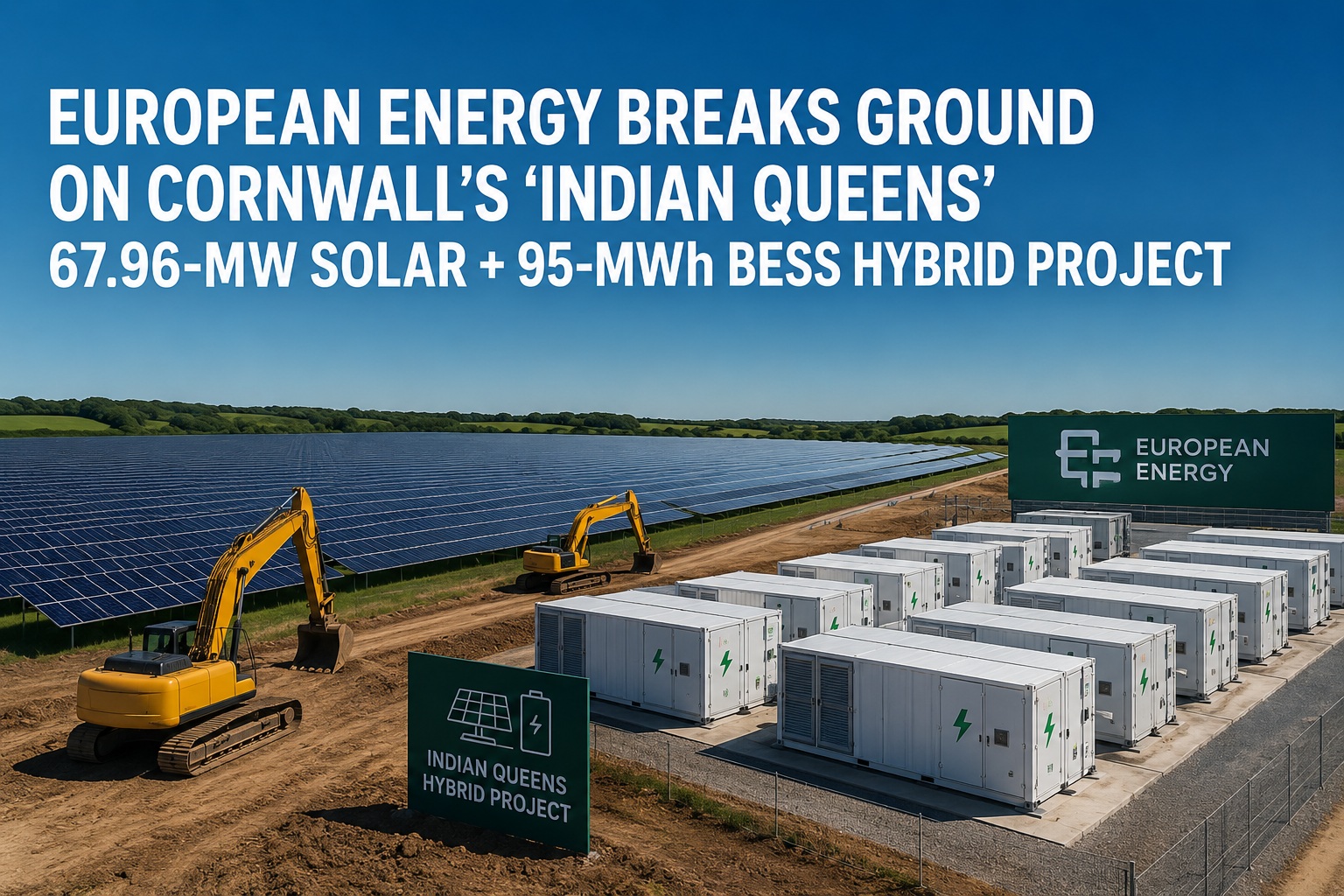
Danish developer European Energy has broken ground on the Indian Queens project in Cornwall, combining 67.96-MW solar with a 95-MWh BESS for optimized UK grid efficiency.
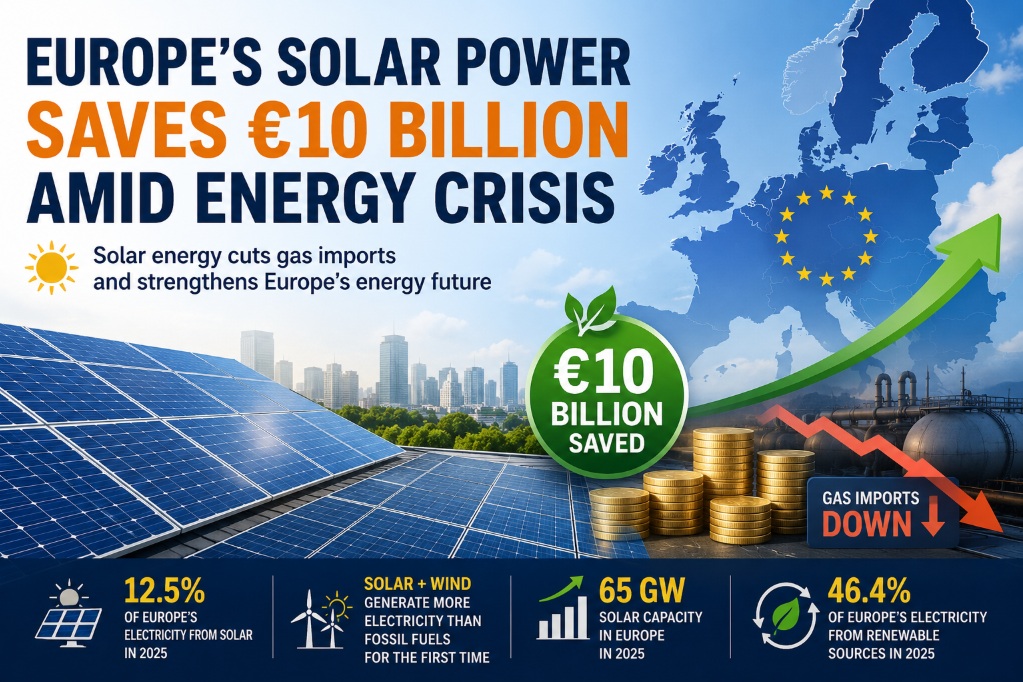
Discover how Europe's surging solar power capacity cushioned the impact of rising natural gas prices, saving €10 billion and out-pacing fossil fuels.
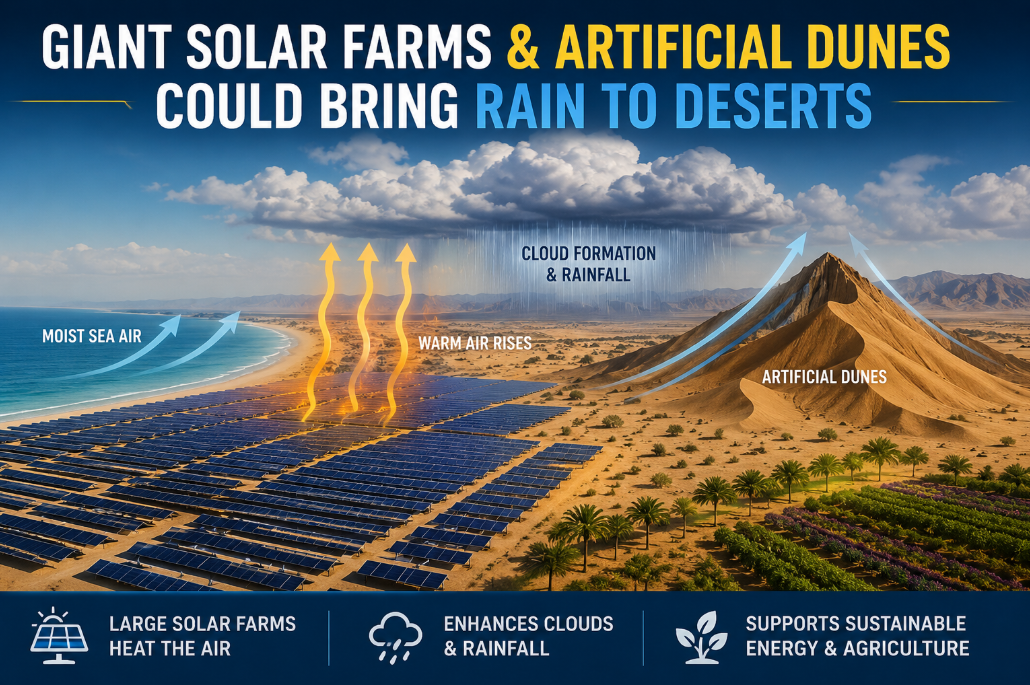
Researchers are studying how giant solar farms and artificial dunes could increase rainfall in dry desert regions while supporting clean energy and sustainable development.
A new SolarPower Europe report shows accelerated solar and battery storage deployment could help the EU lower electricity costs, improve energy security, reduce gas imports, and move closer to its 2030 clean energy targets.
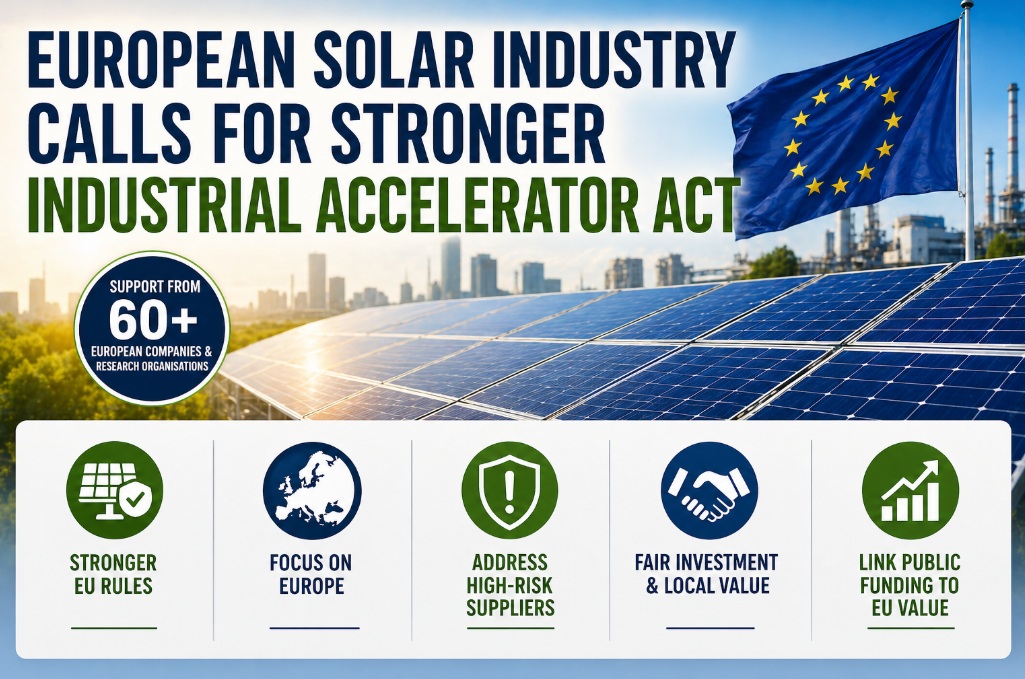
The European Solar Manufacturing Council urges major revisions to the EU Industrial Accelerator Act, calling for stronger “Made in Europe” rules, tighter foreign investment controls, and reduced reliance on China to strengthen Europe’s solar supply chain.
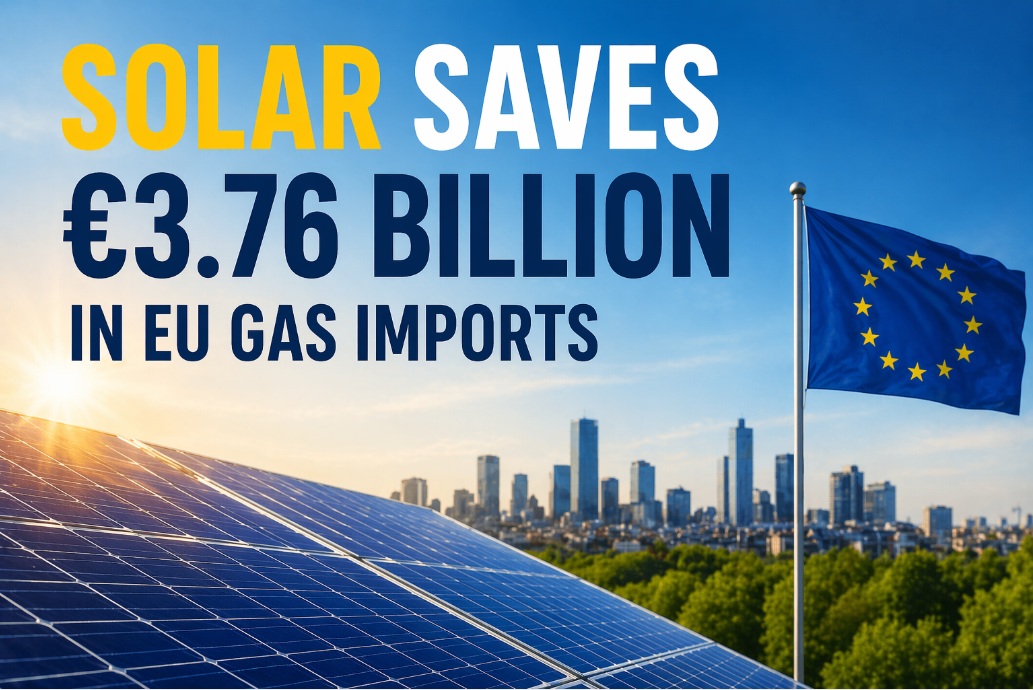
Solar generation helped the EU avoid €3.76 billion in fossil fuel imports during the Middle East conflict, with savings expected to rise as solar capacity expands and reduces reliance on volatile gas markets.
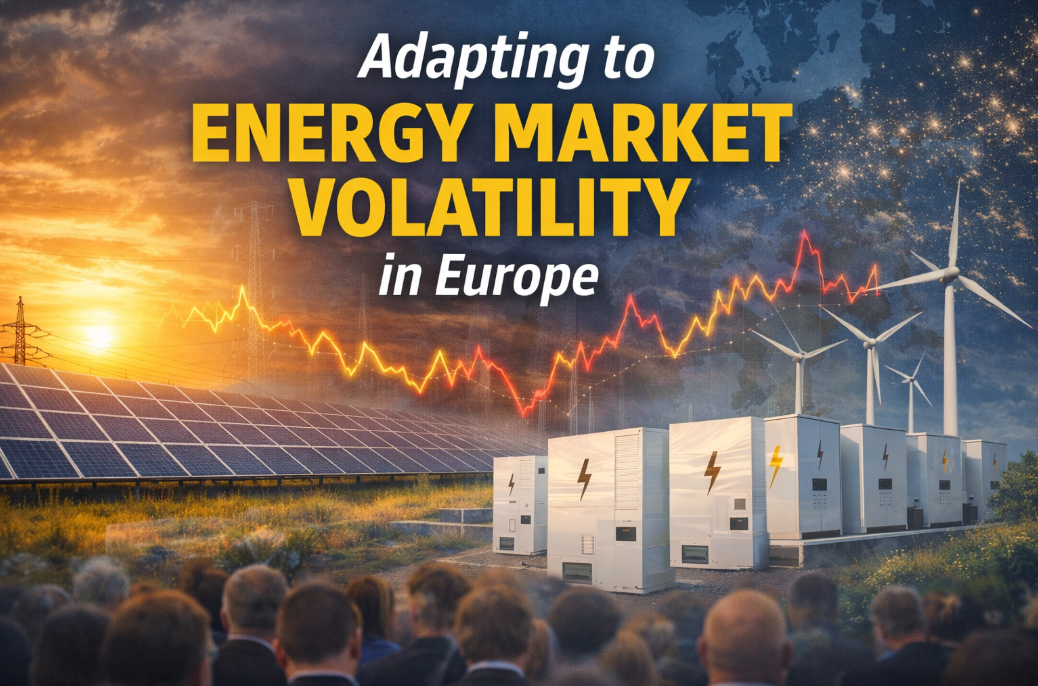
European renewable energy developers are shifting strategies to manage market volatility, with energy storage emerging as a key solution for stability, flexibility, and long-term value creation.
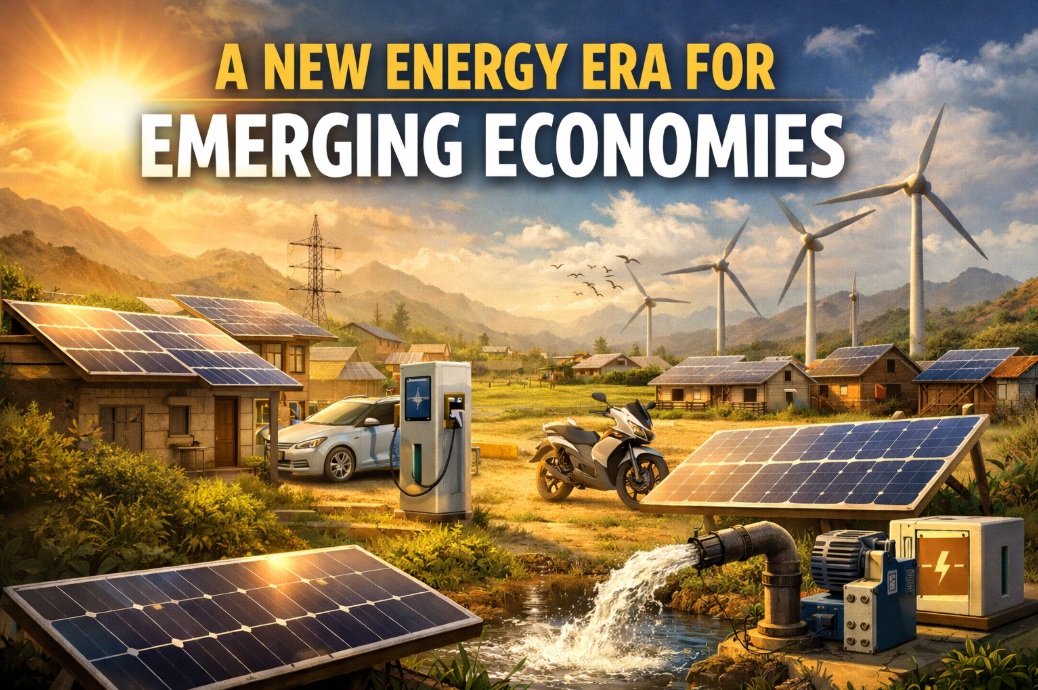
Declining costs of solar power, battery storage, and electric technologies are transforming energy access in low-income countries. Emerging economies are leapfrogging fossil fuels, achieving energy independence, and accelerating electrification.
 News
News
 Blog
Blog